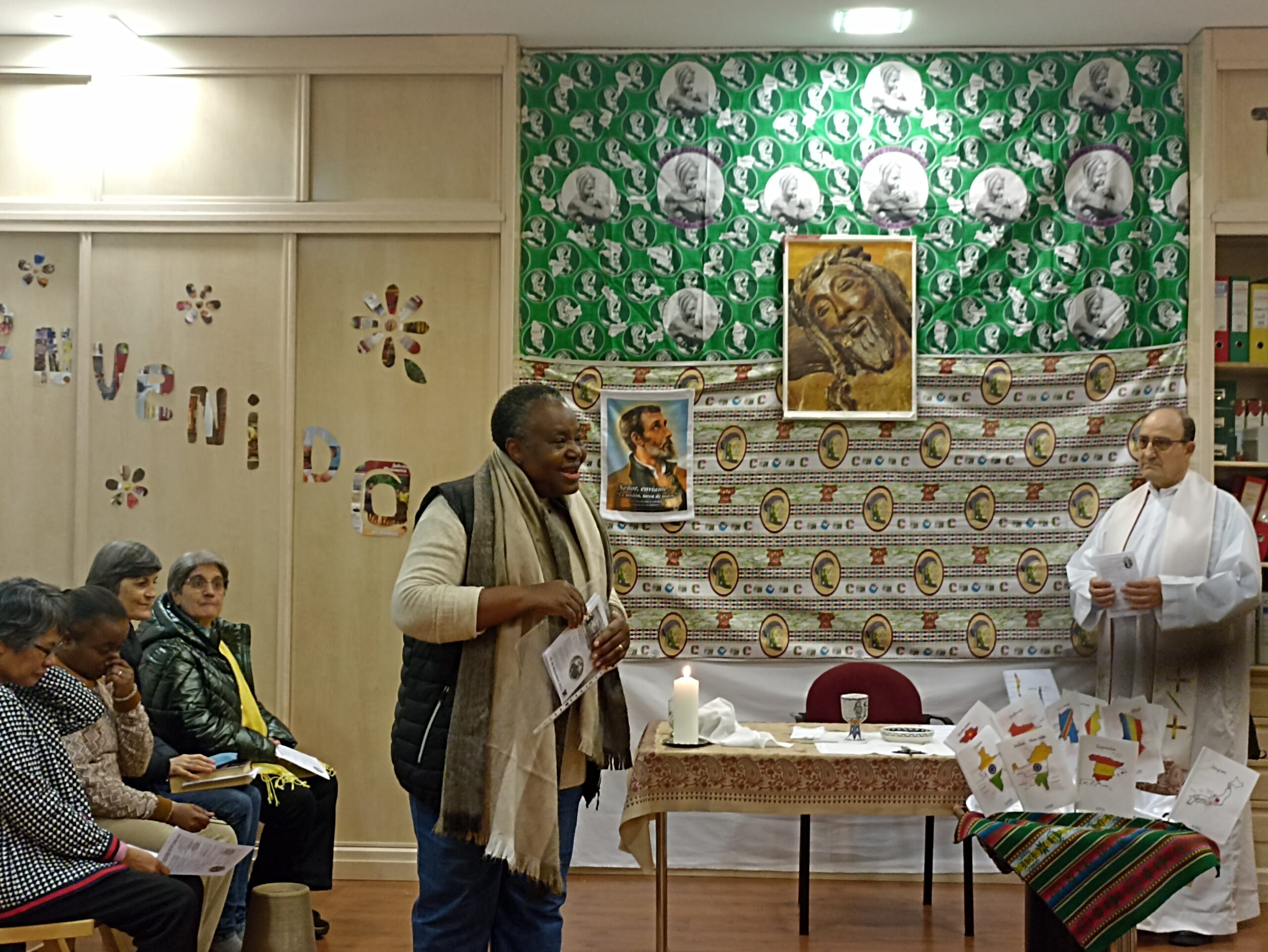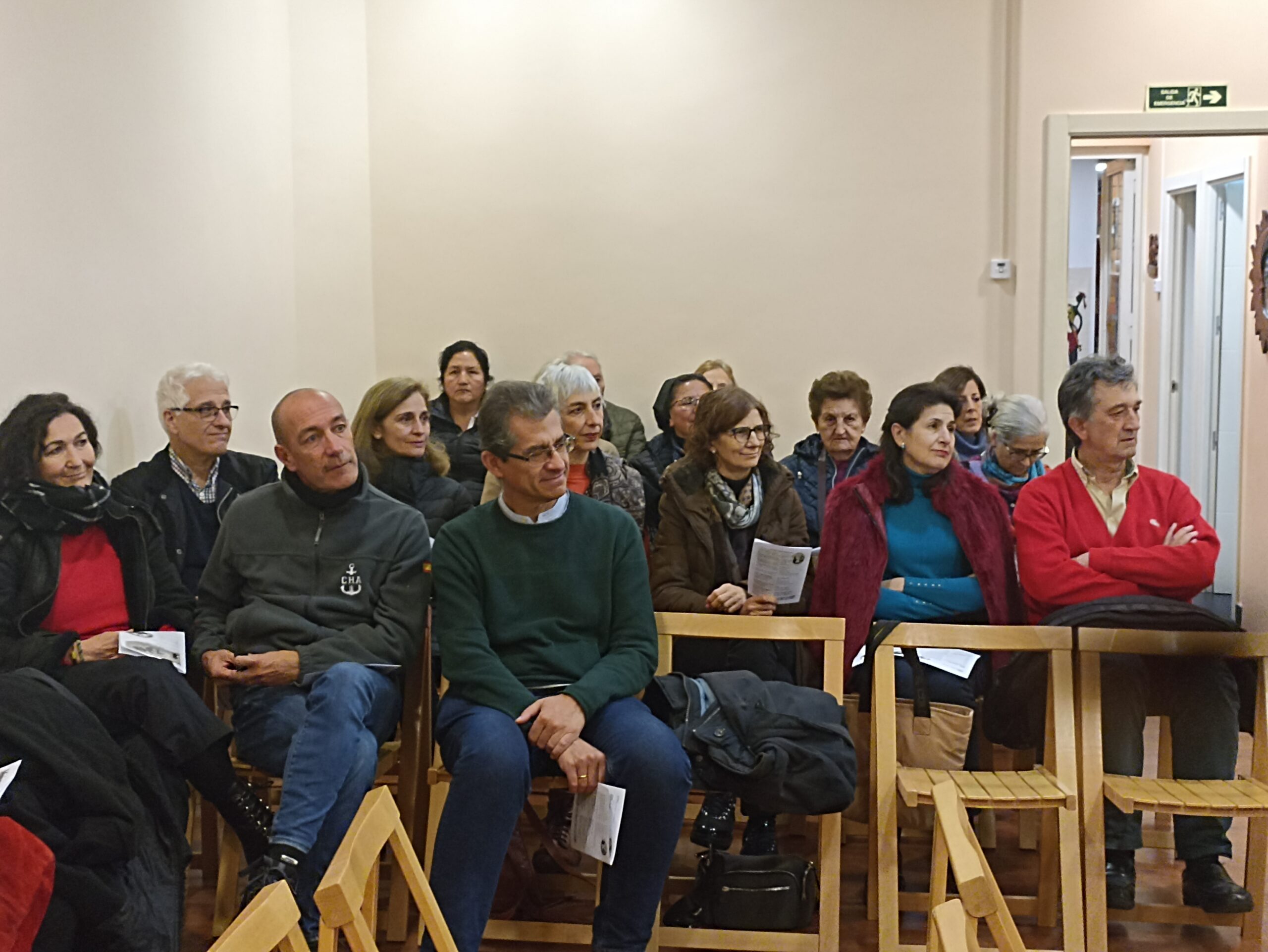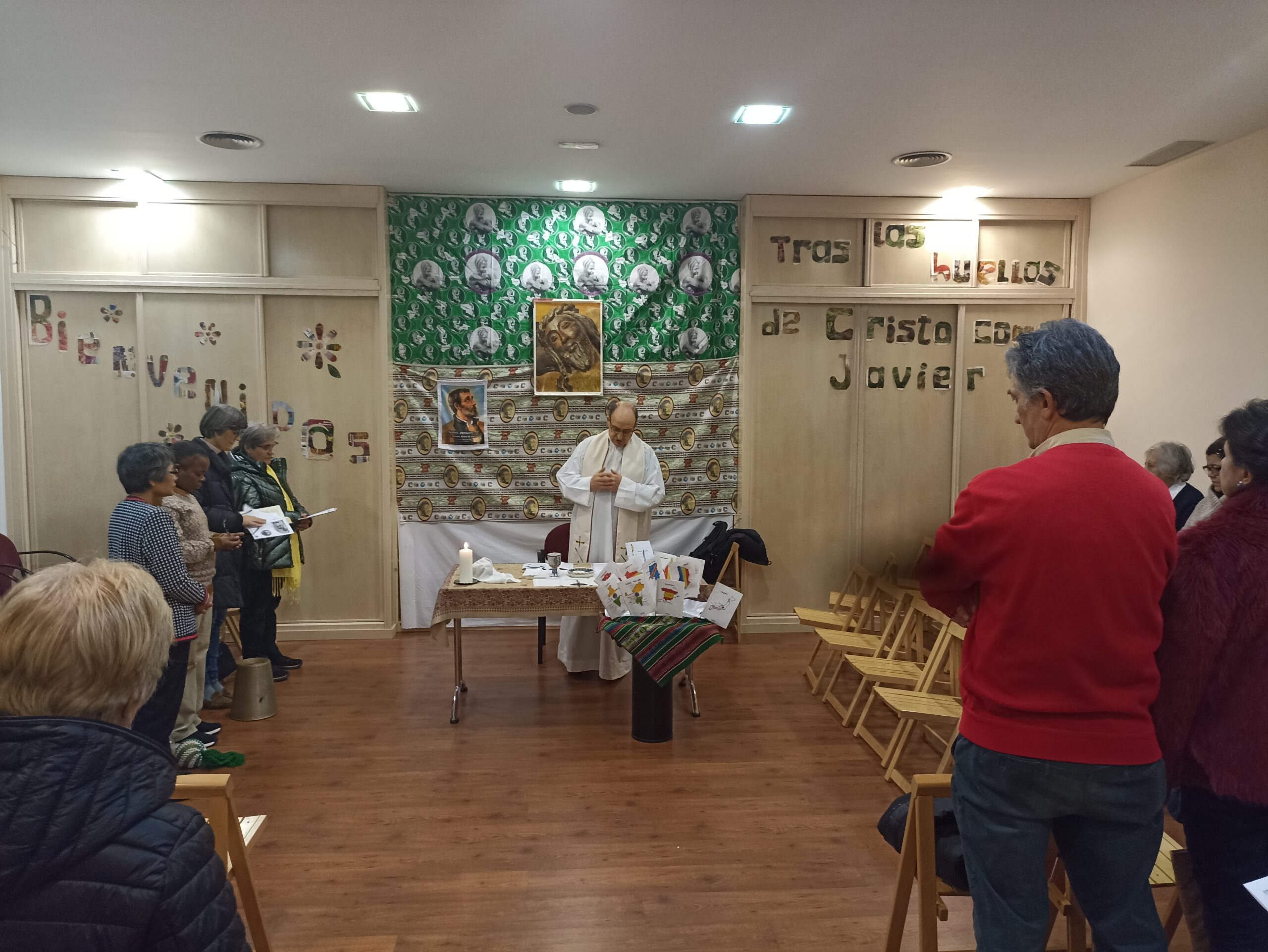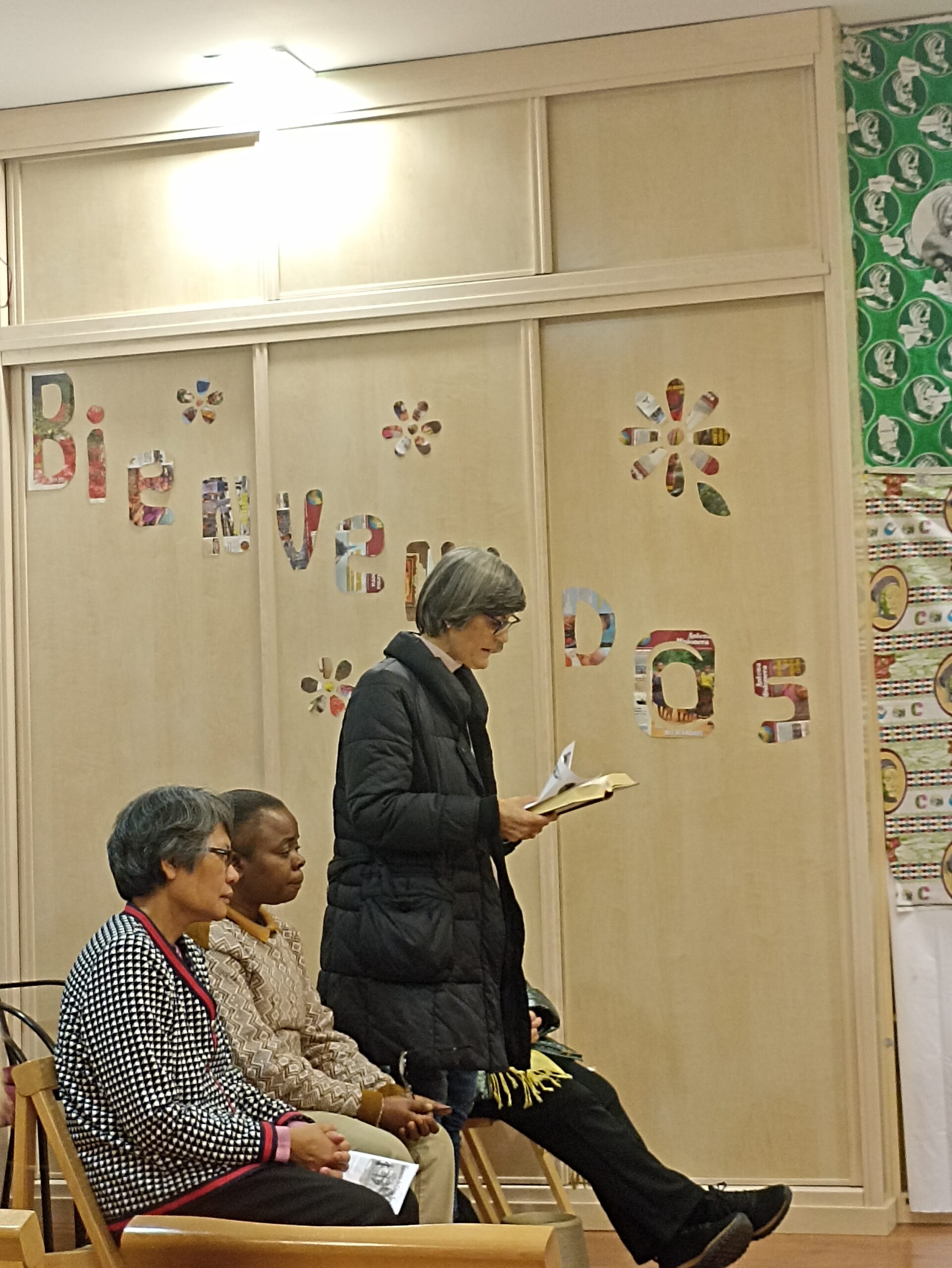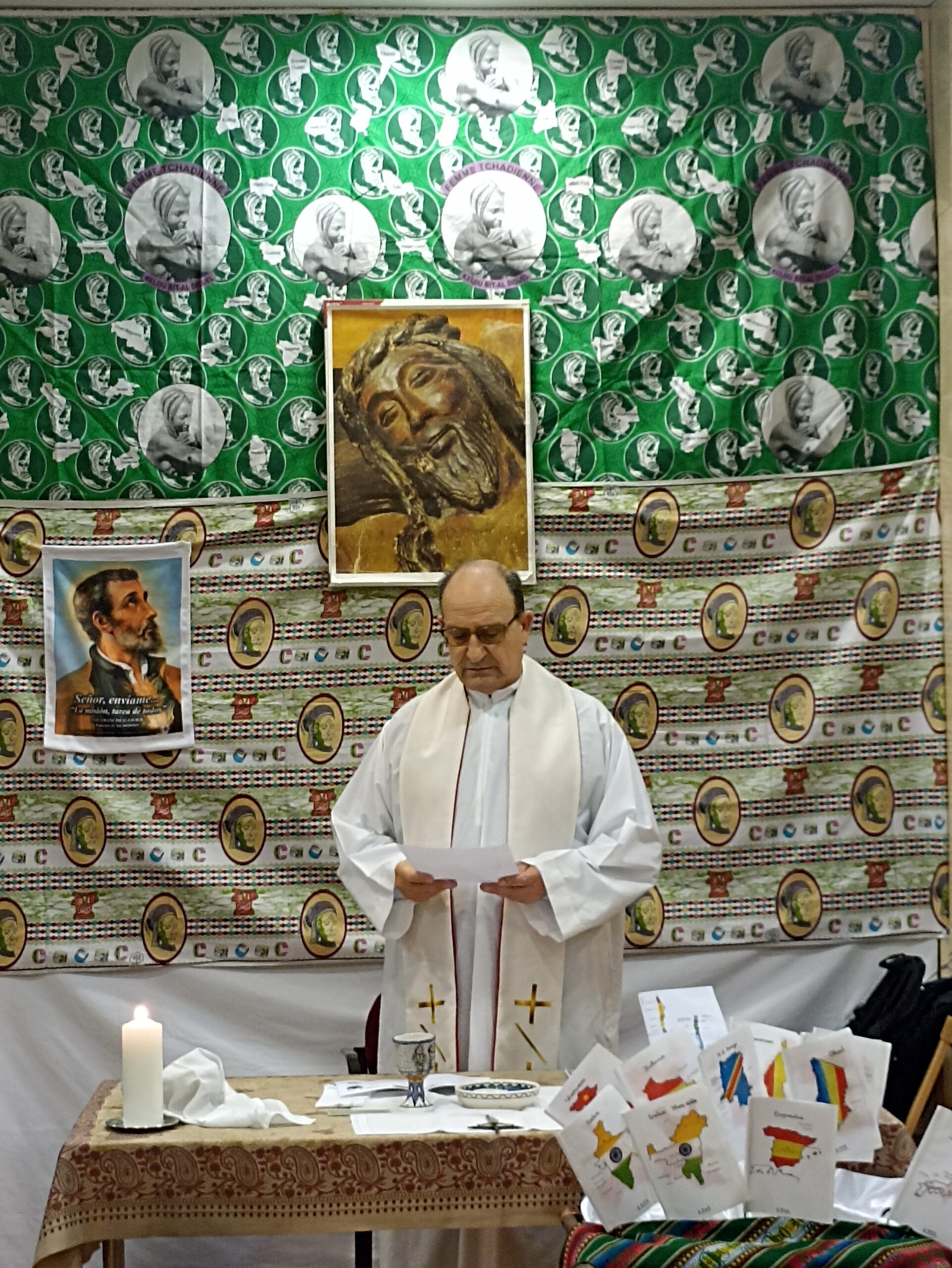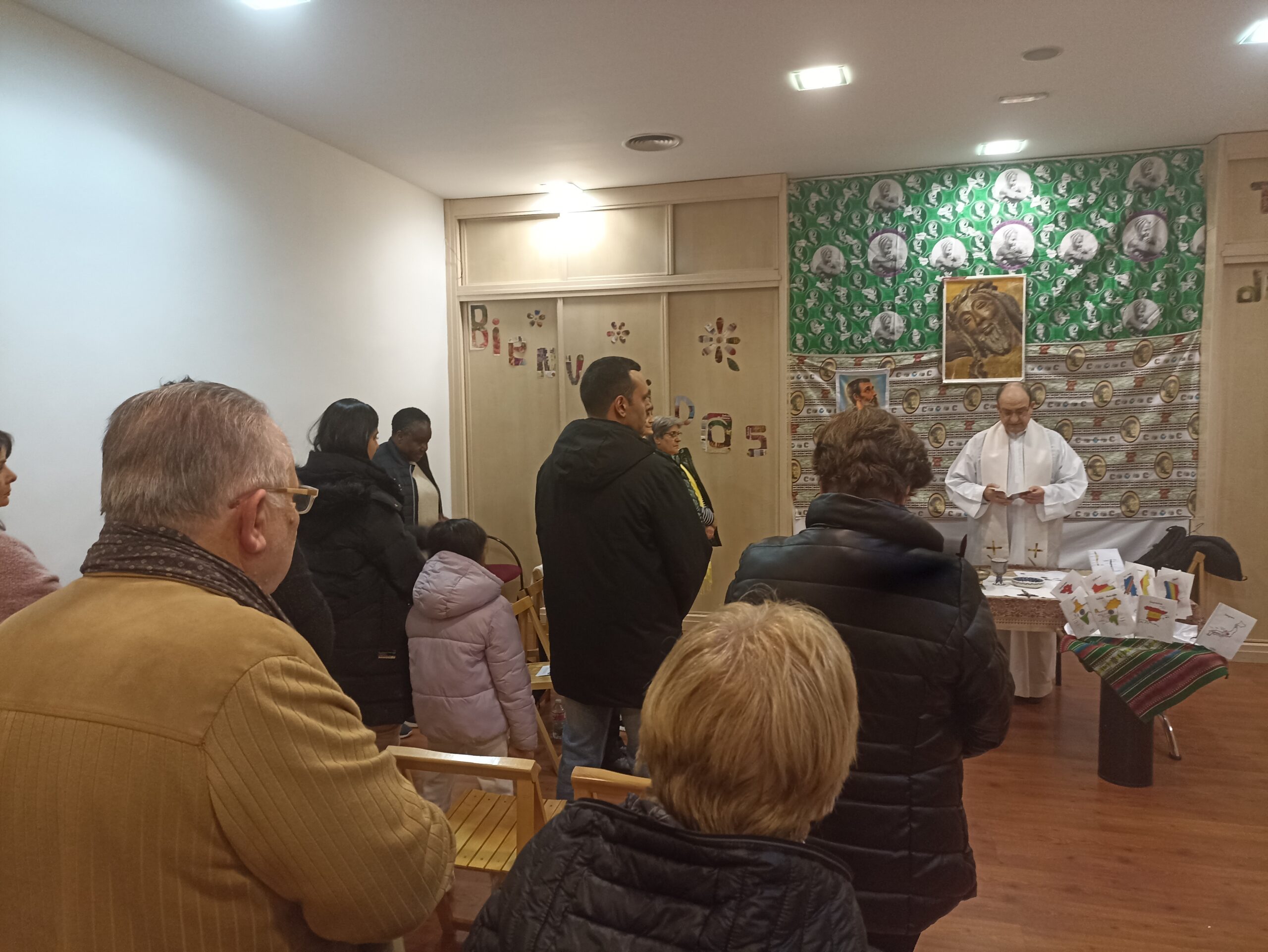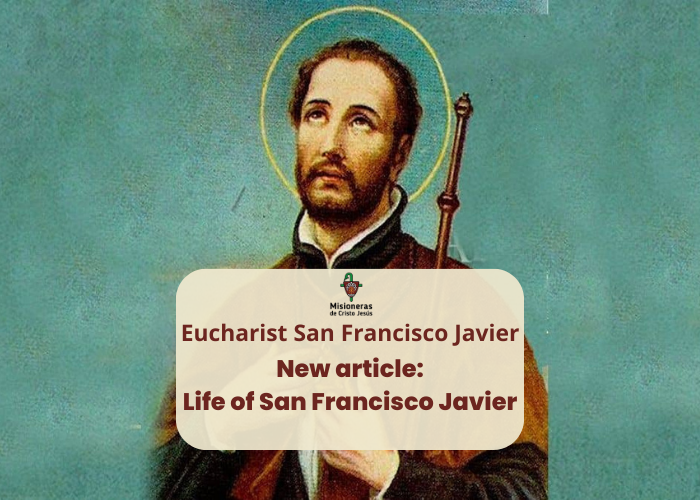
Our celebration: Eucharist for Saint Francis Xavier.
This December 3, 2023 we have gathered to celebrate the Eucharist for our patron saint of missionaries and propagator of the faith. Saint Francis Xavier.
First Jesuit missionary
Francis Xavier (1506-1552), was the first Jesuit missionary. He served as an inspiration since, after him, many others entered the Society of Jesus and decided to go and evangelize regions around the world. He was one of the founders of the Society of Jesus along with 7 other men. He undertook his first mission to India even before the Society was considered official by Pope Paul III.
His early years
Javier was born in Javier Castle, on April 7, 1506, in the Navarrese town of Javier, headquarters of our congregation and place of our Mother House.
In 1525 he went to Paris to study at the College of Saint Barbara. There he had Pedro Fabro as a companion. Years later both met Ignatius of Loyola (Iñigo López de Loyola) who dedicated himself to prayer. This friendship quickly sparked Fabro's interest in being a priest, however, the same did not happen with Javier. He had aspirations of finishing his university career. In 1533, the three friends continued sharing a room at the College of Santa Bárbara and it was at this time that Ignatius, considered their spiritual guide, managed to awaken in Javier his desire to belong to God. On August 15, 1534, the three friends along with four other companions made a private vow of poverty, chastity and to go to the Holy Land to convert infidels.
Ordained priest
In 1537 Xavier, Loyola and four others traveled to Venice to be ordained priests and with the intention afterward going to Rome to ask the Pope for permission for their pilgrimage. Xavier arrived in Rome in April 1538 and began preaching in the church of Saint Louis of the French.
Pope Paul III, before approving the new order, asked Ignatius, by order of King John III of Portugal, to send two of his companions to the new colony of India. Ignacio chose Simón Rodríguez and Nicolás de Bobadilla, but the latter became ill and could not go. So he chose Javier, who was the only one who did not have an established job, although despite this he would never see his friend again.
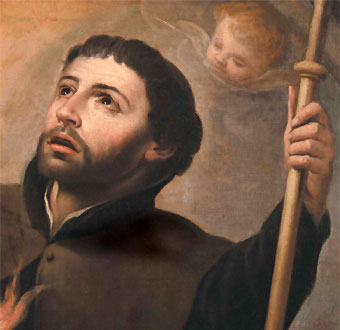
Heading to India: Lisbon
In 1540 Javier and Rodríguez arrived in Lisbon at the end of June, but they could not set sail for India so they stayed there preaching and assisting the prisoners. The King loved these and decided that one of the two would stay to form a college, this was Rodríguez and so Javier left as the first Jesuit and as a grant from the Pope named apostolic nuncio, which gave him authority over all the clergy of Goa.
Heading to India: Conversion
During his trip to India, Javier worked with lepers and prisoners and converted more than 10,000 people despite not knowing the language and having to have interpreters. In addition to appointing catechists who would continue to proclaim the word of God while he traveled through India.
In 1547 he meets Ajiro, a Japanese man, who was interested in becoming a Christian, and he told him about Japan. From here Javier began to leave everything ready to be able to leave for Japan, leaving two Jesuits prepared and appointed by him in Goa. They left Malacca in June 1549 and arrived on August 15 at Kangoshima, in southern Japan, where Ajiro was from.
Japan:
The first year in Japan was fruitless, only 200 conversions. Javier was convinced that to reach the Japanese people he had to first convert the Emperor, the problem was that he did not have the possibility of reaching him. In 1551, Javier and his brother Juan Fernández arrived, hired as servants, but it did not work out. After years in Japan they realized that the most important figure in Japan was not the Emperor, but the Daimyo of Yamaguchi and that they would not come to him dressed poorly. They dressed in silk clothes, rented horses, and gave gifts to the Daimyo. In addition to showing you letters and references from both the King of Portugal and Pope Paul III. This impressed the Daimyo and gave the Jesuits freedom to preach the Christian religion, which led to 500 conversions in just 6 months.
When Javier was preparing to leave Japan, he returned to India, appointing a new Jesuit in his position until he returned. A typhoon dragged the ship until they reached China, he discovered a new place full of opportunities that left him fascinated. At the end of December Javier arrived in Singapoore where he received a letter in which Ignacio named him “Provincial of the Indies and countries beyond them.”
Discovering China
When Javier thought it was time to leave Japan he brought brother Cosme de Torres to Yamaguchi to take his place, so he could return to India. He set out in September 1551 and secured a ship to Malacca. He hoped to return to Japan the following year, but the ship was caught by a typhoon that diverted it from its route about a thousand miles. On December 17, the ship entered the port of Canton and dropped anchor off the island of Sancian. When Javier looked at that very close China, he felt that that continent was calling him. The two Jesuits were able to board a ship heading to Singapoore, where they arrived at the end of that month. There Javier found a letter from Ignatius that named him provincial of “the Indies and countries beyond them.”
Last years.
In 1552 he returned to India and was asked to return to Rome to report on the status of his mission, but he did not want to do so until Christianity reached China. That same year he sailed to the Bay of Canton and from there to the island of Sancian, a place of smugglers and Portuguese merchants. Nobody wanted to risk taking him to China and the only one who did tricked him and disappeared with his money.
On November 21 he fell with fever and was in a coma for 7 days. On December 1 he regained consciousness and devoted himself to prayer. He died on December 3, 1552 on the island. Years later his remains were moved to Malacca and from there to Goa, where they were buried in the Bom Jesus church
He was canonized in 1622. In 1910 he was named patron of the propagation of the faith and in 1927 patron of missions.